

Wild Ivy Psychotherapy — where resilience finds its way through every season of life
Services

Individual sessions provide a personalized space to work toward shared goals, build coping skills, and address emotional or behavioral challenges impacting daily life.
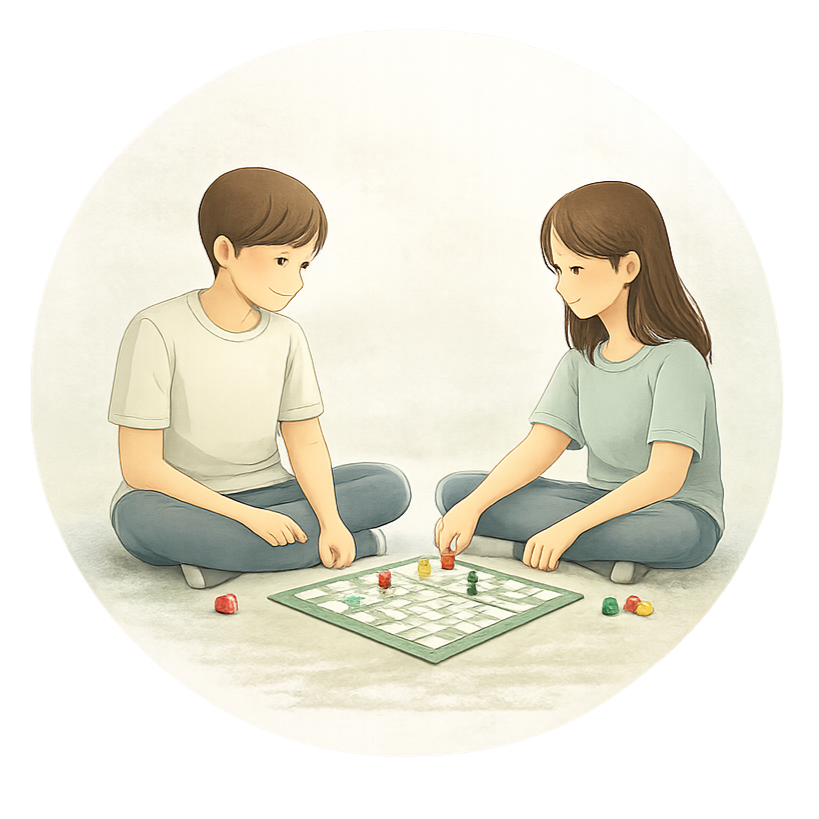
Joint sessions with siblings or caregivers may be offered to strengthen understanding and communication. Parent and caregiver sessions are available as needed to review progress, address concerns, and provide support.

ERP helps individuals gradually face fears in a safe, supportive way while learning new responses that reduce anxiety over time.
Exposure and Response Prevention Therapy
Do I need ERP for my child?
ERP may be helpful if your child’s anxiety or fears are getting in the way of their daily life. This can include frequent avoidance, intense worry, panic reactions, difficulty separating from caregivers, repetitive behaviors, or distress around certain thoughts, sensations, or situations.
If fear is limiting your child’s ability to attend school, participate in activities, sleep independently, or enjoy everyday experiences, ERP can help. Treatment focuses on building your child’s confidence and resilience by teaching them how to face fears safely and gradually, rather than avoiding them.
ERP is always tailored to your child’s age, developmental level, and emotional needs. Caregivers are often involved in the process to provide support, encouragement, and consistency outside of sessions.
What does ERP look like in session?
Together, we first slow things down and help you understand how your anxiety works and why it keeps showing up. We talk about what you’ve been avoiding, what anxiety is asking you to do to feel safe, and how those patterns might be keeping you stuck.
In session, we practice gradually facing fears in a way that feels manageable, intentional, and paced to you. This might look like sitting with uncomfortable thoughts, feelings, or situations without immediately trying to escape, avoid, or “fix” them. The goal isn’t to get rid of anxiety, but to learn that you can handle it — and that it naturally rises and falls on its own.
Your therapist is there with you the entire time, helping you notice what’s happening in your body and mind, coaching you through the discomfort, and making sure each step feels purposeful and safe. Over time, anxiety loses its power, confidence grows, and your world starts to feel bigger again.